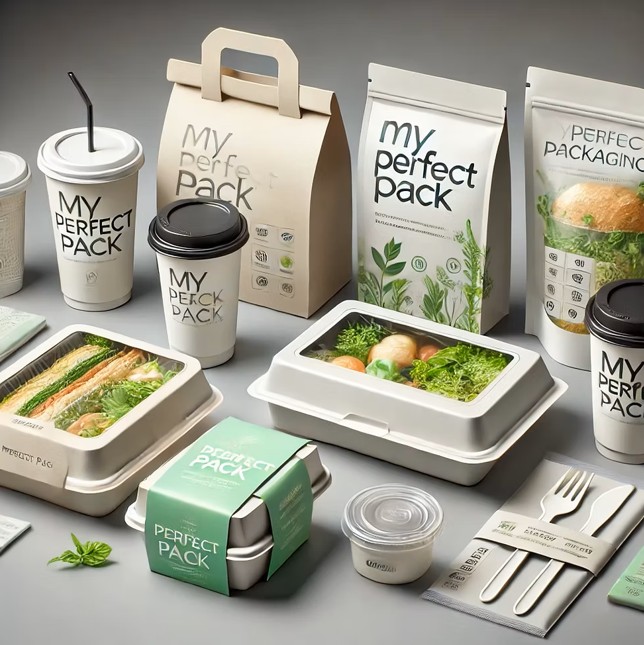
The design of food packaging has continued to transform in the global markets, and there is a high demand for packages that have flexible storage to enhance freshness and convenience. The product handling technique among manufacturers that are concerned with the quality and usability of materials is influenced by the modern supply chains, whereby custom food pouches are a common occurrence in various industries as convenient storage options. Packaging strategies operate in brand perception in terms of consistency in design, material strength, and user handling expectations. The food distribution channels need versatile solutions that can preserve the integrity of the products when storing and transporting food. Packaging development entails the techniques of labeling, sealing, and surface finishing in the enhancement of the presentation quality. The choice of material is significant in durability, storage efficiency, and customer experience in a retail setting. The trends of innovative approaches are still being influenced by market demand.
Packaging Use
Packaging finds a wide application both in commercial and domestic industries that have significant needs for quality containment systems. We find custom pouches for food becoming popular as a mode of storage in a flexible setting that has a wide range of use cases. Manufacturing systems adapt to consumer requirements in regard to durability, precision in sealing, and consistency in design. Storage efficiency relies on the structural integrity and material adaptability along supply chains. The packaging systems that are needed in food handling processes preserve freshness and eliminate contamination. In the markets, brand identity is based on the clarity of packaging, structural performance, cost, and reliability of materials. The evolution of packaging in both the retail and food service businesses is still influenced by consumer expectations. The enhancements to design are aimed at usability, protection, and performance in terms of efficient storage use throughout the product handling stages, and systems operate.
Safety Focus
Packaging safety standards focus on contamination, contraband material stability, and safe sealing methods. Custom food pouches with logos are facilitated by the regulatory frameworks to aid in a controlled storage and handling environment. The manufacturers focus on the strength of barriers and the prevention of leaks during manufacturing. Material testing guarantees a good performance under temperature and pressure changes. Compliance with food safety has an impact on the choice of packaging at the storage and distribution levels. Design procedures involve the sealing precision, durability examinations, and cleanliness oversight systems. Packaging reliability is imperative to manufacturers who are keen on the consistency of the quality of output. The integrity of the product lies in its resistance to materials, methods of sealing, and storage stability. Quality assurance systems facilitate the controlled handling processes throughout the supply chains towards safe distribution results and product reliability areas of focus.
Brand Display
The packaging of the brands has an impact on recognition, perception by the customers,s and also market positioning. Food pouches with a logo are also a common investment by businesses to enhance visual identity in their retail settings. Brand consistency is significant in keeping up brand loyalty in consumer relationships. Purchasing behavior is affected by the visuals on packaging due to clarity and structure. Durability and presentation quality in the competitive markets are influenced by material choice. Precision in manufacturing guarantees that the branding production is the same, even in different production cycles. Packaging form helps in visibility, storage,e and experience of the user. One of the market strategies is design alignment, material consistency,cy and customer engagement strategies. The practical packaging enhances recognition, builds trust, and provides long-term brand recognition in the retailing industries with systematic design systems and procedures implemented.
Infant Care
The packaging of infant nutrition must be specific in terms of the choice of materials and the high level of hygiene. Baby food pouches are a convenient way to eat and control the amount of food consumed by caregivers. Manufacturing operations guarantee safety compliance, sealing integrity, and prevention of contamination. The quality of the materials used is relevant in ensuring that the food remains fresh and can be used in the long run. The design of packaging is concerned with convenient handling, safe closing, and portioning. The expectations of consumers when it comes to infant food packaging include safety, convenience,e and reliability. The strength of barriers, temperature resistance,ce and the durability of the material used determine storage performance. The enhancements in design contribute to the usability, hygiene guarantee, and controlled feeding experiences. The standards of packaging change with the orientation towards safety, convenience, and uniform protection of the product in the markets of infant use.
Print Style
Packaging appearance, brand recognition, and consumer engagement level are determined by printing techniques. To make printed food packages more appealing and effective in the market, manufacturers develop them. Design precision makes sure that branding is the same across production lines and channels of distribution. The surface of materials influences the uptake of ink, permanence, and the general quality of presentations. Packaging systems need to have controlled printing processes to achieve uniform output standards. The enhancement of clarity, consistency of colors, and precision of design is fueled by consumer expectations. Brand identity is based on systematic visual communication in the packaging format. Homogeneity in manufacturing guarantees consistency in production and quality in the manufacturing process. The use of a specific printing control system and monitoring structures manipulates the aesthetics of packaging to provide a positive perception of the market, customer interaction, and long-term establishment of the brand in competitive markets.
Market Reach
The growth of the market will be subject to the flexibility of the packaging, the strength of the material, and the level of acceptance by the consumers. Custom mylar bags with logo for babies are designed by manufacturers to facilitate easy feeding and regulated portions of food. The supply systems are improved in terms of design, to improve usability, safety, and storage performance. The choice of materials contributes to the stability of the product and to its stability in various conditions. Packaging structure helps in effective handling measures and even quality in the distribution. Packaging innovation in food storage and retail is influenced by the demand of consumers. The manufacturing systems emphasize their reliability, sealing accuracy, and material performance criteria. Design techniques enhance the safety of products, their usability, and storage. The development process in packaging is still in alignment with the market requirements, consumer demands,s and the changing distribution systems in global industries due to design and performance choice areas.
Conclusion
Packaging systems mirror the changing requirements in the food storage sector towards usability and reliability. Manufacturing guidelines ensure the safety of the products, structural integrity, and performance in the distribution settings. Material design assists in stability, handling performance, and restricted storage purposes. Packaging innovation is influenced by the market expectations to work on long-term functional use in retail industries. This product’s consumer behavior affects the choice of design in various food packaging systems worldwide. The development of packaging goes on in terms of structural integrity, usability, and material performance criteria. Production systems also focus on consistency, ensuring safety, and effective handling procedures. Innovation, material strength, and consistent performance of packaging are the keys to industry growth in markets through global supply chains.
