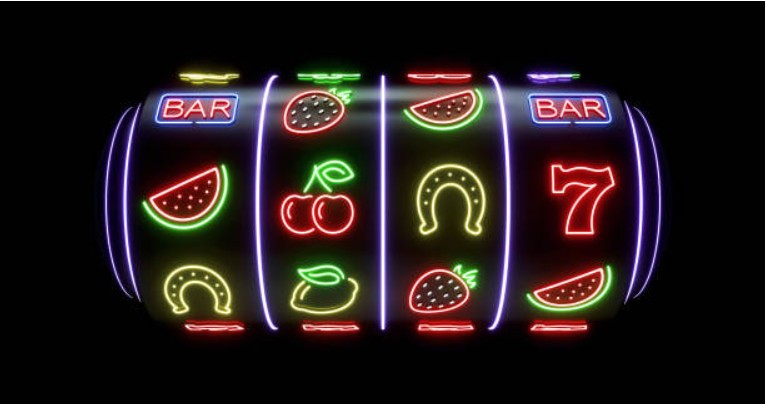
Why do slot reels speed up and slow down during a spin? These changes in motion help each spin feel clear, smooth, and easy to follow. Acceleration begins the action, while deceleration prepares the eyes for the final symbol positions.
The movement may look simple, but its timing has an important role. A reel that starts, reaches a steady pace, and then slows in a natural way gives the screen a clear rhythm. Players can understand each stage of the spin just by watching the motion.
How Reel Acceleration Starts The Action
Acceleration gives the spin an active beginning. The reels move from a resting position into faster motion over a short period. This makes the start clear without needing long instructions.
A Gradual Start Feels Natural
When reels begin moving step by step, the eyes can follow the change easily. The motion starts gently and then reaches its regular pace. This creates a clean link between pressing the spin button and seeing the symbols move.
A gradual start is similar to a ceiling fan picking up speed. The movement becomes faster in a steady manner, so the change feels familiar. Slot reels use the same basic visual idea.
Faster Motion Marks The Main Spin
Once the reels reach a quicker pace, the screen moves into the main part of the spin. Symbols pass by in a regular flow. This tells the player that the action is moving forward.
The faster stage also keeps the screen lively. It connects the opening movement with the point where the reels begin to slow.
How Deceleration Prepares The Final Result
Deceleration shows that the spin is reaching its final stage. The reels reduce speed in a steady order, making the final symbols easier to see. This gives the eyes time to follow each reel as it settles.
Slower Reels Guide The Eyes
As reel speed drops, individual symbols become easier to recognise. The player can follow the last few movements and see where the symbols stop. The change in pace naturally moves attention towards the centre of the screen.
People reading about slot may often see discussions about reel timing and visual flow. A controlled slowdown helps explain how a spin moves from fast action to a clear final layout.
Reel Stops Create A Clear Order
Many slot screens stop the reels one after another. This movement gives every reel a small moment of focus. The player can watch the first reel settle and then move attention to the next.
The phrase depo 5k may appear in general slot-related content, while reel deceleration belongs to the visual side of gameplay. A steady stopping order helps each result appear complete and easy to read.
How Speed Changes Spin Rhythm
A spin has its own visual rhythm. Acceleration starts that rhythm, steady motion carries it forward, and deceleration brings it to a natural close. The full sequence feels like a short visual beat.
Timing Creates Three Clear Stages
Clear timing divides each spin into a beginning, middle, and end. The first stage uses increasing speed. The middle stage keeps the reels moving, and the final stage uses slower motion before the stop.
This structure makes the action easy to understand. Even a new player can recognise when the spin starts and when the result is ready.
A Steady Pattern Builds Familiarity
When the same speed pattern appears across several spins, it becomes familiar. Players learn the normal length and flow of the movement. They can follow the action without thinking about every small change.
Familiar timing also supports visual comfort. The eyes know when faster movement will begin and when the reels will slow.
How Reel Timing Supports Screen Clarity
Good reel timing helps each visual detail appear at the right moment. Faster motion keeps symbols flowing, while slower motion brings the final positions into focus. Both speeds support clear communication.
Fast And Slow Motion Work Together
Acceleration and deceleration have different roles, but they work as one sequence. Fast movement gives energy to the centre of the spin. Slow movement gives attention to the final symbol arrangement.
The contrast between these speeds makes the action easy to notice. The player can understand that the spin is moving from one stage to another without written explanation.
Small Timing Changes Add Variety
Reel timing can change slightly between screen events. One spin may slow each reel at an even pace, while another may use a slightly longer pause before the last reel stops. The main rhythm remains familiar, while the small change adds freshness.
These details can give each event its own character. The screen stays readable because the basic motion pattern remains clear.
Why Balanced Reel Motion Feels Comfortable
Balanced motion helps the reels move with a clear and steady flow. The start feels gentle, and the final stop has enough time to appear clearly. Each part connects naturally with the next.
Gentle Acceleration Supports Easy Viewing
A gentle increase in speed allows the eyes to adjust to the moving symbols. The player sees the reels begin and follows them as they reach their regular pace. This keeps the opening clear and pleasant.
The motion also gives the button press an immediate visual response. Players can see that the action has started, which makes the screen feel active.
Controlled Deceleration Completes The Spin
A controlled slowdown gives the result a proper visual ending. The symbols become clear, each reel settles, and the full layout appears in an organised way. This creates a satisfying finish to the movement.
The final stop also prepares the screen for the next action. Once every reel is still, the result can be read easily.
Conclusion
Reel acceleration and deceleration shape how a slot spin looks and feels from start to finish. Increasing speed begins the action, steady motion carries it forward, and slower movement brings the symbols into clear view. Together, these timing choices create rhythm, focus, and familiarity. They help players follow each spin naturally and understand the screen through movement. A balanced change in speed makes the full visual experience calm, active, and easy to read.